
The real cost of maintaining a private swimming pool: Chemicals, pumps, and cleaning services in 2024: what's changed and what works
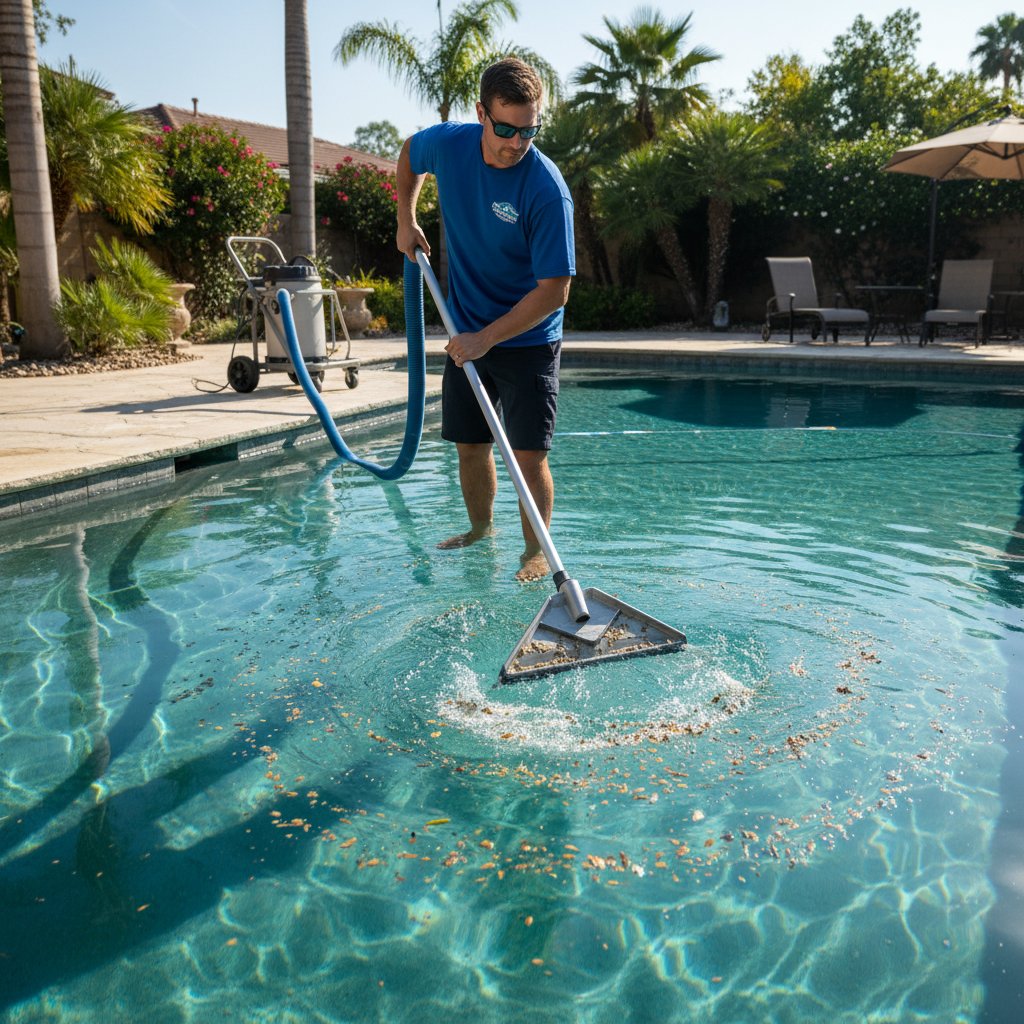
Remember when owning a pool meant tossing in some chlorine tablets and calling it a day? Yeah, those days are long gone. Between skyrocketing chemical costs, energy-hungry equipment, and labor shortages driving up service rates, pool ownership in 2024 hits differently than it did even three years ago. Let's break down what you're actually spending to keep that backyard oasis swimmable.
The Real Numbers Behind Pool Ownership in 2024
1. Chemical Costs Have Jumped 40% Since 2021
That chlorine shortage during the pandemic? We're still feeling the aftershocks. A 50-pound bucket of chlorine tablets that cost $85 in 2020 now runs between $120-$140 at most retailers. Muriatic acid, pH increasers, and algaecides have all crept up by 25-35%. For an average 20,000-gallon residential pool, you're looking at $600-$900 annually just for basic chemical maintenance.
The smart money has shifted to liquid chlorine or salt systems. Liquid chlorine prices have stabilized around $4-$6 per gallon, and you'll use roughly 2-3 gallons weekly during peak season. Salt chlorine generators cost $1,200-$2,500 upfront, but the salt itself runs only $80-$120 per season. Do the math: you'll break even within two years and save hundreds annually after that.
2. Pump Technology: The $200 Monthly Electric Bill Monster
Old single-speed pumps are energy vampires, pulling 1,500-2,500 watts and running 8-12 hours daily. At the national average of $0.16 per kWh, that's $60-$120 monthly just for circulation. Multiply by summer months, and you're hemorrhaging $500-$800 per season on electricity alone.
Variable-speed pumps changed the game completely. They use 75-90% less energy by adjusting motor speed based on actual need. The upfront cost of $800-$1,500 stings, but monthly operating costs drop to $15-$30. Several states now mandate variable-speed pumps for new installations, and utilities in Arizona, California, and Florida offer $200-$400 rebates. That's a payback period of roughly 18-24 months, then pure savings.
3. Professional Service Rates Reflect Labor Reality
Weekly pool service averaged $80-$100 monthly in 2019. Today? Try $125-$175 for basic maintenance in most metro areas, with some coastal markets hitting $200+. The pool service industry lost thousands of workers during COVID, and many never returned. Companies that survived are charging what they need to retain qualified technicians.
Here's what that monthly rate actually covers: chemical balancing, skimming, brushing, emptying baskets, and equipment checks. It doesn't include repairs, acid washes, or filter cleanings—those run $150-$300 each. If you're handy and have 45 minutes weekly, DIY maintenance costs about $50-$75 monthly in chemicals and saves you $900-$1,200 annually. Test strips cost $15-$20 for a 50-count bottle, and a decent telescoping pole with brush and net runs $60-$80 one-time.
4. Filter Maintenance: The Hidden Recurring Expense
Sand filters need new media every 5-7 years at $150-$250 per replacement. Cartridge filters require cleaning every 4-6 weeks (15 minutes with a garden hose) and full replacement every 2-3 years at $60-$150 per cartridge. DE filters offer the finest filtration but need fresh diatomaceous earth after each backwash—figure $40-$60 annually for a 50-pound bag.
Cartridge filters have become the efficiency favorite. They use no backwash water (saving thousands of gallons annually in drought-prone areas), trap smaller particles than sand, and cleaning them takes less time than backwashing. The catch? You need to actually clean them regularly, or flow restriction will make your pump work harder and cost more to operate.
5. Water and Heating: The Costs Nobody Talks About
Evaporation steals 1-2 inches of water weekly during summer, more in arid climates. Refilling costs $4-$10 per thousand gallons depending on local rates. A pool cover reduces evaporation by 95% and pays for itself within one season. Basic covers run $50-$150; automatic versions start at $5,000 but add serious convenience.
Gas heaters cost $300-$500 monthly to maintain 80°F during shoulder seasons. Heat pumps cut that to $100-$150 but need warmer ambient temps to work efficiently. Solar heating has zero operating cost after the $3,000-$5,000 installation, making it the long-term winner in sunny climates. In 2024, federal tax credits cover 30% of solar pool heating costs—that's a game-changer for payback calculations.
6. Repair Reserves: Budget for the Inevitable
Pump motors last 8-12 years and cost $400-$800 to replace. Heaters go 10-15 years at $2,500-$4,500 for replacement. Salt cells need swapping every 3-5 years at $600-$900. Plumbing leaks, cracked tiles, and failing automation systems add unpredictability. Smart pool owners sock away $75-$125 monthly into a repair fund.
The equipment you buy matters enormously here. Pentair, Hayward, and Jandy parts remain available for decades. Bargain-brand equipment might save $300 upfront but cost you double when proprietary parts disappear or technicians refuse to work on unfamiliar systems. Standardized equipment also helps with resale value—buyers notice quality installations.
What It Actually Adds Up To
Budget $2,500-$4,000 annually for DIY maintenance with modern efficient equipment, or $3,500-$5,500 with professional service. Older equipment or heated pools can easily double those figures. The silver lining? Strategic upgrades to variable-speed pumps, salt systems, and automation can cut operating costs by 40-60% within three years.
Pool ownership isn't getting cheaper, but it's getting smarter. The tech exists to slash your costs—you just need to know where to invest and what outdated equipment is quietly draining your wallet every month.