
The real cost of maintaining a private swimming pool: Chemicals, pumps, and cleaning services: common mistakes that cost you money
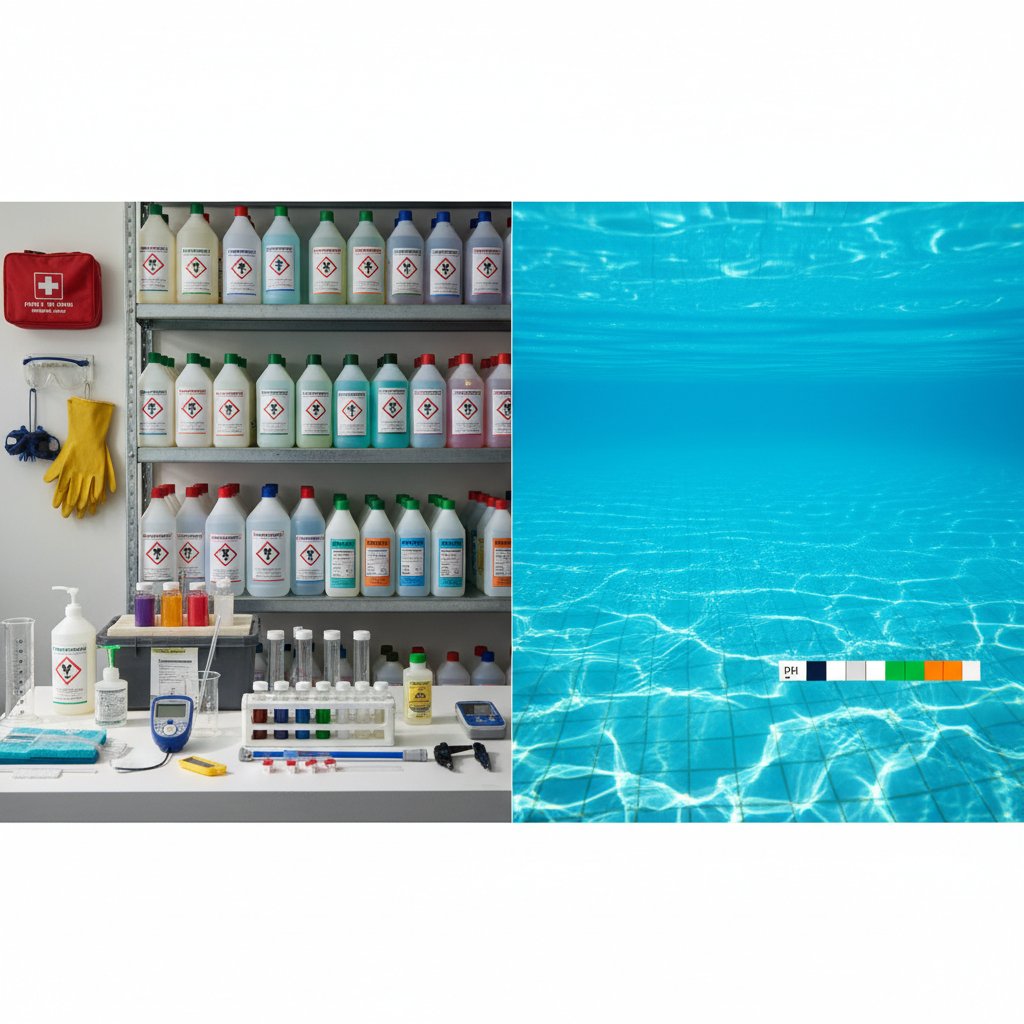
DIY vs. Professional Pool Care: What's Actually Hitting Your Wallet?
Your backyard oasis promised endless summer fun. Instead, you're staring at a greenish tint in the water and wondering if you should've just bought a really nice above-ground kiddie pool. Pool ownership comes with a reality check that hits harder than a belly flop: maintenance isn't cheap, and doing it wrong costs even more.
Let's break down the two paths most pool owners take—the DIY chemical warrior route versus handing over the keys to a professional service. Both drain your bank account, just in different ways.
The DIY Approach: Playing Chemist in Your Backyard
Grabbing that test kit and handling pool maintenance yourself seems like the obvious money-saver. You're capable, right? How hard can balancing pH levels be?
Pros of Going Solo
- Lower monthly expenses: You'll spend roughly $80-150 per month on chemicals, compared to $150-300 for professional services
- Control freak paradise: Check your pool whenever you want, no scheduling needed
- Learning curve payoff: Understanding your pool's quirks means faster problem-solving
- Equipment investment flexibility: Choose when to upgrade pumps or filters based on your budget
Cons That'll Bite You
- Time vampire: Plan on 4-6 hours weekly for proper maintenance—that's 200+ hours yearly
- Costly mistakes multiply fast: Over-chlorinating can damage your liner ($3,500-6,000 replacement), while under-treating invites algae blooms ($500-1,200 to fix)
- Chemical storage hazards: One flooded shed with mixed chemicals? You're looking at replacement costs and potential safety issues
- Pump failures catch you off guard: Miss early warning signs, and a $400 repair becomes a $1,800 replacement
- Seasonal chemistry confusion: Winter closing mistakes can cause spring opening nightmares costing $800+
Professional Pool Services: Paying for Peace of Mind
Handing your pool care to someone who does this for a living means writing bigger checks upfront. But are you actually saving money in the long run?
Pros of Professional Maintenance
- Time back in your life: Reclaim those 200+ hours for actual swimming (or Netflix, no judgment)
- Preventive care that matters: Pros catch failing pumps, clogged filters, and chemistry imbalances before they explode your budget
- Chemical efficiency: Bulk purchasing and precise dosing often means less waste than DIY guesswork
- Equipment longevity: Proper maintenance extends pump life from 6-8 years to 10-12 years
- Liability coverage: Reputable services carry insurance for equipment damage
Cons That Sting
- Premium pricing: Annual costs run $1,800-3,600 for basic weekly service
- Service quality roulette: Bad companies do exist, and switching mid-season is painful
- Scheduling constraints: You're home on Tuesdays at 2 PM, right?
- Upselling pressure: Some services push unnecessary treatments or early equipment replacements
- Less intimate pool knowledge: When something goes wrong off-schedule, you're flying blind
Cost Breakdown: The Numbers Don't Lie
| Expense Category | DIY Annual Cost | Professional Annual Cost |
|---|---|---|
| Chemicals | $960-1,800 | Included in service |
| Service Fees | $0 | $1,800-3,600 |
| Equipment Repairs/Replacement | $400-1,200 | $200-600 (caught early) |
| Mistake Corrections | $300-1,000 | $0-200 |
| Testing Supplies/Tools | $150-300 | $0 |
| Total Range | $1,810-4,300 | $2,000-4,400 |
The Verdict: It's Complicated (Surprise!)
Here's the truth nobody wants to hear: both approaches cost roughly the same when you factor in mistakes, time value, and equipment longevity. The difference? Your tolerance for chemistry homework and weekend labor.
DIY makes financial sense if you're genuinely interested in pool mechanics, have consistent free time, and won't panic when the water turns cloudy before your kid's birthday party. You'll save $200-500 annually—if you avoid major screw-ups.
Professional services earn their keep for busy households, people who'd rather gargle chlorine than balance pH levels, and anyone who's already made expensive DIY mistakes. That extra $500-1,000 yearly buys you mental bandwidth and fewer 11 PM Google sessions about "why is my pool foaming."
The biggest money drain? Switching back and forth. Pick a lane, learn it well, and stick with it. Your wallet will thank you more than any half-hearted hybrid approach ever could.